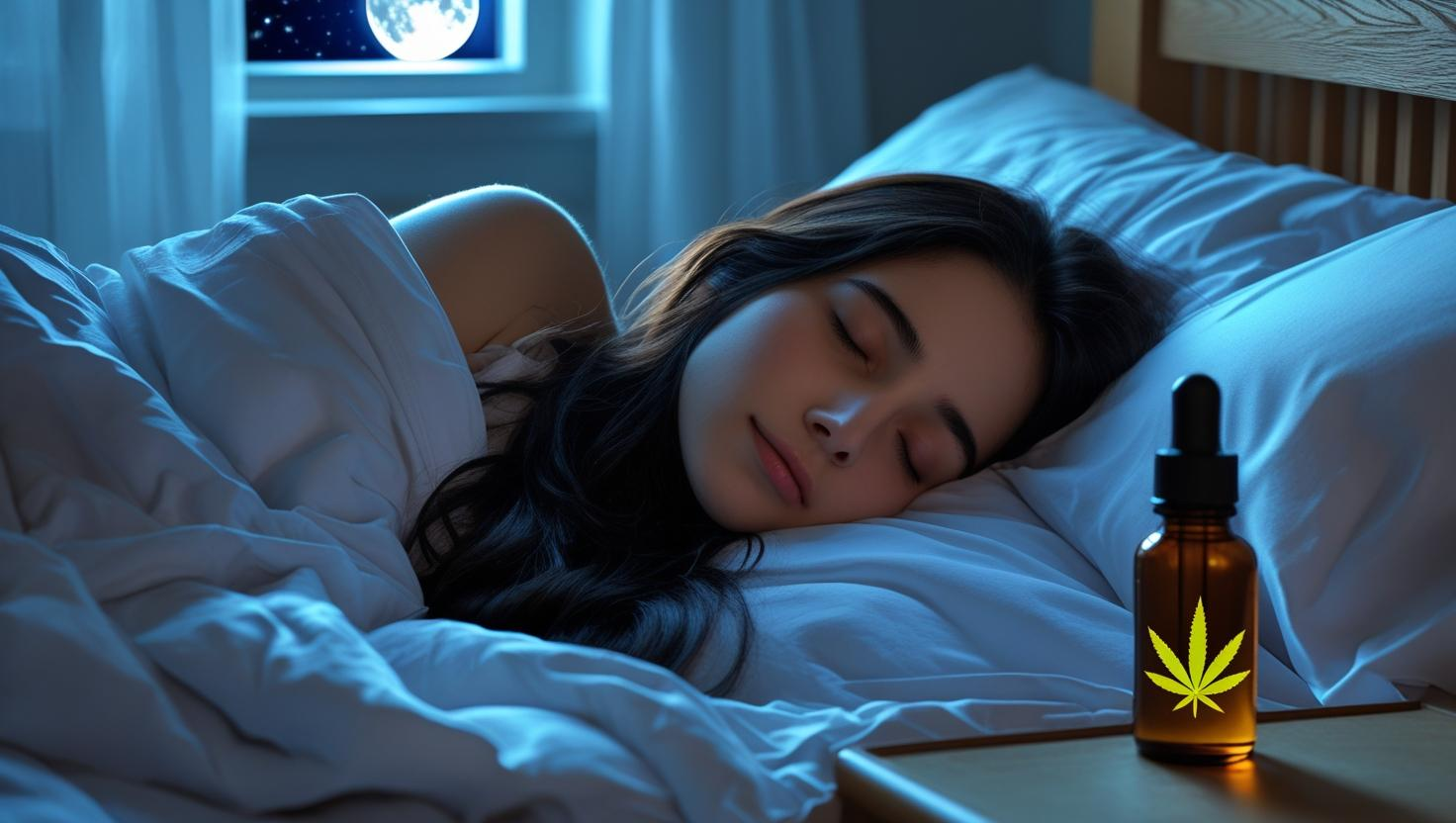

Traditionally known for its psychoactive effects, cannabis is now drawing attention for a different reason: its potential to help manage sleep disorders. In the United States, where a significant portion of the population struggles with disrupted sleep, cannabis is emerging as a promising alternative to conventional treatments.
The Scope of Sleep Disorders in the U.S.
Millions of Americans suffer from conditions such as insomnia, sleep apnea, and restless legs syndrome. According to the Centers for Disease Control and Prevention (CDC), approximately 35% of adults routinely sleep less than the recommended seven hours per night. This growing issue has prompted many to explore non-traditional remedies—including medical cannabis.
Patient Use and Reported Benefits
A 2025 survey of over 1,000 medical cannabis users found that nearly 70% rated cannabis as more effective than prescription sleep aids, while 91.2% believed it surpassed over-the-counter remedies. Notably, 95% of respondents considered cannabis highly effective for treating their sleep disorders, and nearly 86% reported an improved overall quality of life. (Source: Forbes.com)
How Cannabis Affects Sleep
Cannabis contains active compounds known as cannabinoids—primarily tetrahydrocannabinol (THC) and cannabidiol (CBD)—which interact with the body’s endocannabinoid system to regulate various physiological processes, including sleep.
- THC is recognized for its sedative properties and may help reduce the time it takes to fall asleep while increasing overall sleep duration.
- CBD, depending on the dose, can either promote wakefulness or support relaxation and sleep, indicating a dose-dependent effect.
(Source: PMC.ncbi.nlm.nih.gov)
What the Clinical Research Shows
Evidence from clinical studies offers mixed, but cautiously optimistic, conclusions. A systematic review and meta-analysis of randomized controlled trials involving medical cannabis for sleep issues found a modest improvement in sleep quality among patients with chronic pain. However, the overall benefit was deemed small, and the certainty of the evidence rated as moderate. (Source: PubMed)
Risks and Considerations
Despite its potential, cannabis is not without drawbacks. Regular use can lead to tolerance, meaning higher doses may be needed over time to achieve the same effects. It may also alter normal sleep architecture—especially by reducing REM sleep, the stage associated with dreaming and memory consolidation.
Additionally, cannabis can impair cognitive and motor functions, potentially causing daytime drowsiness, decreased alertness, and reduced performance in daily activities. (Source: SleepFoundation.org)
Legal and Regulatory Landscape
Cannabis laws in the U.S. differ by state, affecting how and where patients can legally access it for medical purposes. While the Food and Drug Administration (FDA) has approved certain cannabis-derived medications—such as Epidiolex for epilepsy—it has not approved cannabis for treating sleep disorders. Researchers continue to investigate the safety, efficacy, and optimal dosing of cannabis in sleep medicine. (Source: AASM.org)
Final Thoughts
Cannabis is becoming an increasingly popular option for managing sleep disorders, with many patients reporting significant benefits. Still, it’s important to approach this treatment path with care. The potential for side effects, combined with the lack of standardized clinical guidelines, means that patients should consult healthcare providers before integrating cannabis into their sleep routines.
As research evolves and regulation advances, cannabis may become a more mainstream tool in sleep therapy—but for now, informed, cautious use remains key.
Cannabis is not just a passing trend—it’s a time-honored botanical with a rich history of healing. For too long, its medicinal potential has been clouded by stigma and legal barriers, leaving many without access to natural relief. Now that medical cannabis is legal in Georgia, residents have a safe, plant-based alternative worth considering. If you believe it could support your health, apply today for your 5-year medical cannabis card.
Click Elevated Health MD to Apply for a Georgia Medical Cannabis Card

STILL HAVE QUESTIONS? CLICK BELOW FOR FAQ