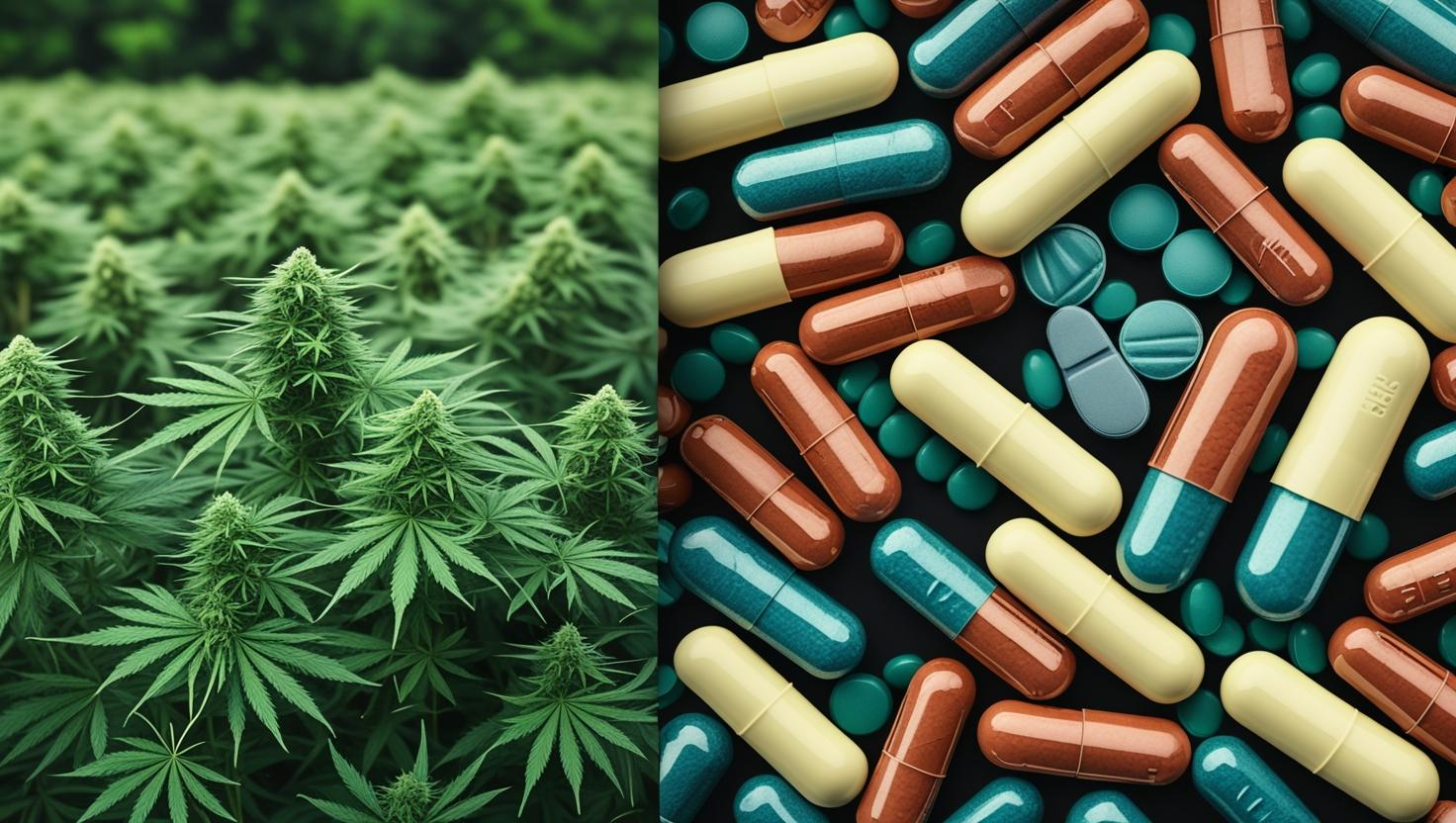

A significant majority of marijuana users say they consume cannabis as a substitute for prescription medications, according to a new national survey conducted by cannabis telehealth provider NuggMD.
The poll asked a simple but revealing question: “Do you use cannabis as a replacement for prescription medication?” Out of 485 respondents, 79.6% said yes confirming they use cannabis to some degree as an alternative to pharmaceutical drugs. Just 20.4% said they did not.
According to NuggMD’s analysis, the substitution trend may be more widespread than the industry acknowledges. “We estimate that around 40 million Americans are using cannabis instead of prescription drugs,” Graham said. “That’s billions in lost profits for Big Pharma.”
Graham added that pushback from pharmaceutical companies may actually backfire. “I genuinely want Big Pharma to see this data and spend more trying to fight cannabis. Every time they do, our movement grows stronger. They’re deeply unpopular,” he said.
Notably, most survey respondents were not state-registered medical marijuana patients, suggesting the substitution effect is happening broadly—even among recreational consumers.
Cannabis Use Linked to Decreased Reliance on Prescription Medications
The findings reflect a growing body of scientific research and economic data showing that cannabis is increasingly being used as a therapeutic alternative to prescription medications—particularly opioids and other painkillers.
- Workers’ Compensation Study: A May 2025 study found that marijuana legalization led to a slight increase in workers’ compensation claims, but significantly reduced both prescription drug use and the average cost per claim—especially for opioids and pain medications.
- Pain Management Research: Multiple studies have shown that medical cannabis can be more effective than prescription drugs for chronic pain. One federally funded study found that in states where cannabis is legal, adults with commercial insurance filled fewer opioid prescriptions.
- Opioid Overdose Reduction: A major study found that marijuana legalization was linked to a consistent decrease in fatal opioid overdoses, particularly in states that legalized cannabis earlier during the opioid epidemic. Researchers estimated a reduction of approximately 3.5 deaths per 100,000 people.
- Utah Case Study: After Utah legalized medical marijuana, patients with chronic pain significantly reduced opioid use, and prescription-related overdose deaths declined statewide. Researchers concluded that cannabis has “a substantial role to play in pain management and the reduction of opioid use.”
- Long-Term Relief: A 2023 study showed that patients using medical marijuana for more than one month significantly reduced their opioid intake. A separate survey published by the American Medical Association found that one in three chronic pain patients had turned to cannabis, most using it as a substitute for other pain medications.
- Legal CBD Access: Legal access to CBD alone led to a 6.6–8.1% drop in opioid prescriptions, according to 2023 data.
- Broader Prescription Trends: A 2022 Medicaid-focused study found that adult-use marijuana laws were associated with substantial decreases in the use of prescription drugs for conditions like pain, anxiety, sleep disorders, and depression.
- Physician Payments: Another 2023 report found that legalizing medical marijuana led to reduced opioid-related payments to doctors—another sign of shifting patient demand.
- Oregon Findings: In Oregon, researchers observed that access to retail cannabis led to moderate reductions in opioid prescriptions, though no clear link to fewer opioid-related deaths was found.
- BMJ Open Study: A comparative analysis published in BMJ Open concluded that cannabis may offer chronic pain relief comparable to opioids, with fewer treatment dropouts and potentially fewer side effects.
- Musculoskeletal Pain Relief: In a recent study, 57% of patients with chronic musculoskeletal pain said cannabis worked better than traditional analgesics, and 40% said they had reduced their use of other pain medications since starting cannabis.
- Minnesota Program Data: Chronic pain patients in Minnesota’s medical marijuana program reported “noticeable pain relief” within just a few months of treatment, according to a recent state report.
Disruption Beyond Big Pharma
While the substitution effect is challenging the pharmaceutical industry, cannabis may also be chipping away at another major sector: alcohol. Financial analysts have warned that legal cannabis poses a “significant threat” to the alcohol market. Recent surveys show that growing numbers of consumers are opting for cannabis instead of beer, wine, or spirits.
As more states expand access to medical and adult-use cannabis, and evidence of its medical efficacy continues to mount, it’s clear that marijuana is becoming a mainstream alternative to both prescription drugs and alcohol. With tens of millions already making the switch, the impact of this shift will likely continue to reshape U.S. healthcare, public policy, and markets in the years ahead.
Cannabis is not just a passing trend—it’s a time-honored botanical with a rich history of healing. For too long, its medicinal potential has been clouded by stigma and legal barriers, leaving many without access to natural relief. Now that medical cannabis is legal in Georgia, residents have a safe, plant-based alternative worth considering. If you believe it could support your health, apply today for your 5-year medical cannabis card.
Click Elevated Health MD to Apply for a Georgia Medical Cannabis Card

STILL HAVE QUESTIONS? CLICK BELOW FOR FAQ