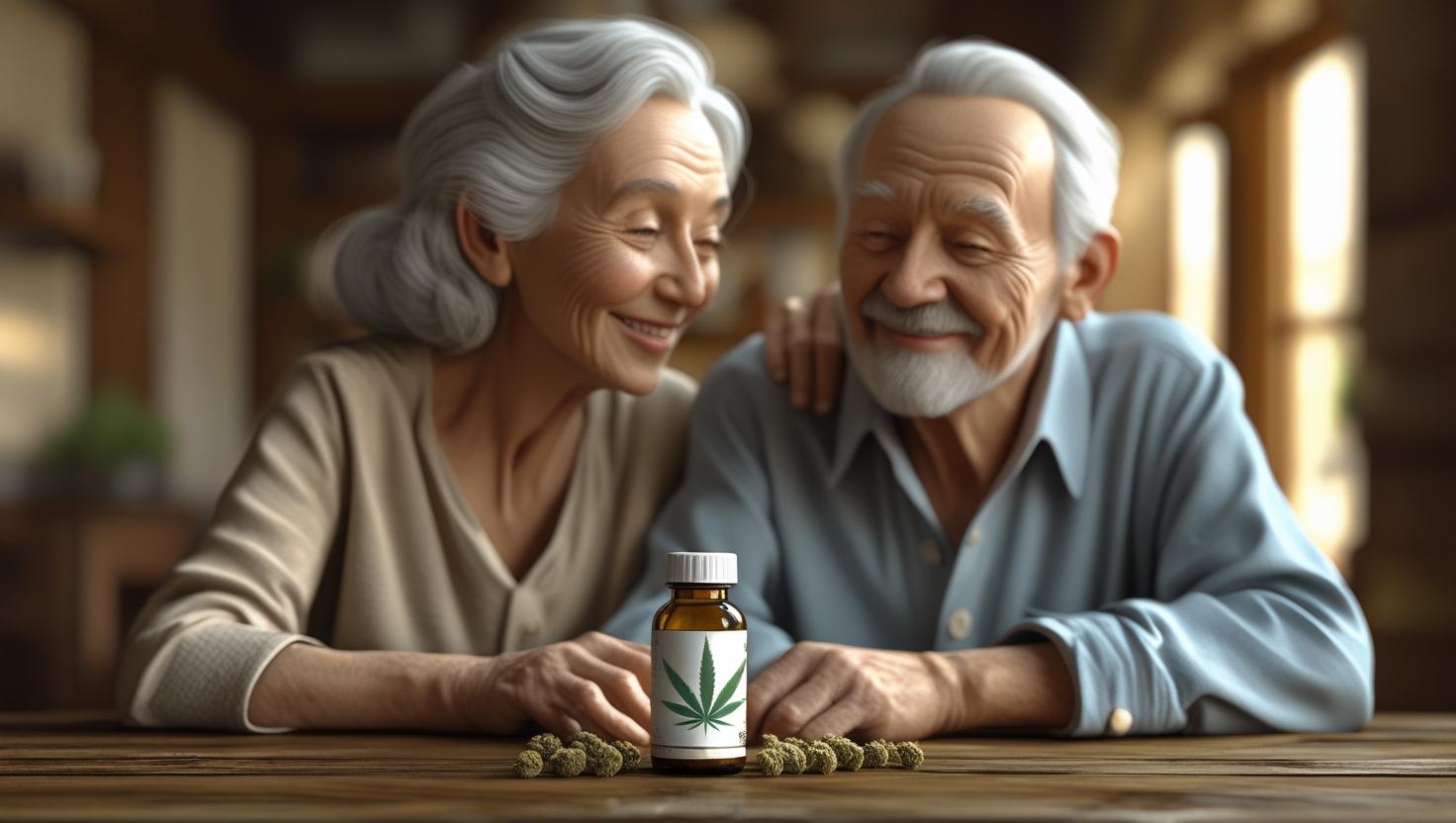

A federally funded study published in the Journal of the American Medical Association (JAMA) has revealed a significant and sustained increase in cannabis use among U.S. adults aged 65 and older. The findings reflect shifting social norms, expanded access to legal marijuana, and a growing interest in alternative therapies among older Americans managing chronic conditions and age-related health issues.
Steady Growth Amid Legal Reform
According to the research letter, cannabis use among seniors has been on a steady rise since 2005, when just 1.0% of adults aged 65 and older reported using marijuana in the past year. By 2018, that figure had grown to 4.2%. New data from the National Survey on Drug Use and Health shows that past-month cannabis use reached 4.8% in 2021 and 7.0% in 2023—a nearly sevenfold increase over two decades.
This growth coincides with major policy shifts: as of 2025, 38 states and Washington D.C. have legalized medical marijuana, and 24 states allow adult-use cannabis. As more jurisdictions embrace legalization, cannabis has become more accessible and socially acceptable, contributing to increased adoption among older adults who previously may have been hesitant to try it.
Demographic Trends Behind the Numbers
The study found that increases in cannabis use among older adults were widespread across demographic categories, but especially pronounced in certain groups:
- Women and white individuals
- Those with higher educational attainment (college or postgraduate degrees)
- Individuals with higher household income
- Married individuals
- Residents of states with legalized medical marijuana
Notably, individuals with multiple chronic health conditions also reported higher usage rates. Researchers point to this trend as a likely reflection of patients seeking symptom relief where conventional treatments may have fallen short.
One surprising pattern involved income. “Adults with the highest incomes initially had the lowest prevalence of cannabis use versus other income levels,” the authors noted. “But by 2023, they had the highest prevalence, which may indicate better access to medical cannabis given its costs.” Since insurance typically does not cover cannabis, affordability remains a barrier—one that high-income patients are better positioned to overcome.
Implications for Clinical Practice and Public Health
The authors of the report and the accompanying JAMA editorial stress that the increase in cannabis use among older adults is not without complications. The editorial emphasizes that therapeutic evidence for cannabis in older populations remains inconclusive, with mixed results across different health conditions such as chronic pain, insomnia, anxiety, and nausea.
Given the complexity of prescribing or recommending cannabis, the editorial calls for clear, age-specific dosing guidelines, comprehensive clinician training, and open, nonjudgmental conversations between patients and providers.
“The increased use of cannabis in this population underscores the need for clinician support to prevent cannabis-related harm,” the editorial concludes. “Older adults require accurate information on available delivery methods, cannabinoid content, and potential side effects.”
Changing Use Patterns in North America
This isn’t just a U.S. trend. A companion study published in JAMA Network Open examined cannabis use in Canada post-legalization, analyzing data from over 1,400 adults ages 18 to 65 between 2018 and 2023. While overall cannabis use rose slightly, the most frequent users prior to legalization actually reduced their consumption. In contrast, occasional users tended to increase their use marginally.
These findings suggest that legalization may not drive the problematic overuse some had feared—and may, in fact, normalize more moderate consumption patterns.
U.S. CDC Data: How Americans Use Cannabis
Recent data from the U.S. Centers for Disease Control and Prevention (CDC) further illustrates the evolving nature of cannabis consumption:
- In 2022, 15.3% of U.S. adults reported current cannabis use
- 7.9% reported daily or near-daily use
- The most common methods were smoking (79.4%), followed by eating (41.6%), vaping (30.3%), and dabbing (14.6%)
- Nearly half (46.7%) of cannabis users reported multiple methods of use, typically combining smoking with eating or vaping
Younger adults were more likely to engage in vaping and dabbing. Meanwhile, cannabis use among high school students continues to decline, despite broader legalization—countering fears that policy reform would increase youth access.
Seniors Report Benefits—Especially for Sleep and Pain
Several other studies further support the role cannabis may play in addressing common health challenges among older adults:
- A 2024 study on medical marijuana patients aged 50 and older found significant improvements in pain, sleep, and overall quality of life. Nearly all patients used oral products—such as edibles, oils, or tinctures—rather than smoking, and most preferred CBD-rich formulations with lower THC levels.
- Over six months, 45% reported clinically meaningful reductions in pain and sleep interference.
- Adverse effects were generally mild and infrequent.
A separate report from AARP showed that cannabis use among older adults has nearly doubled in three years, with better sleep cited as one of the top reasons for use.
Cultural Shifts in Drug Preferences
Attitudes around cannabis are changing rapidly. A recent national poll found that more Americans now use marijuana daily than drink alcohol every day. Moreover, alcohol users were nearly three times as likely to say they’d benefit from cutting back as cannabis users were.
Research also shows that the secondhand harms of cannabis use—such as aggressive behavior or injury—are significantly lower than those associated with alcohol. A study published in the Journal of Studies on Alcohol and Drugs found that respondents reported experiencing secondhand harm from alcohol at nearly six times the rate as from marijuana.
Looking Ahead
As legalization spreads and stigma fades, older Americans are increasingly turning to cannabis for relief from chronic pain, insomnia, anxiety, and other conditions. But this trend also presents new challenges for clinicians, researchers, and policymakers. There is an urgent need for:
- Age-specific research on cannabis efficacy and safety
- Clinician education on cannabis pharmacology and drug interactions
- Policy development around dosing, labeling, and access
- Patient education that prioritizes informed, safe use
The bottom line: while cannabis may offer therapeutic potential for many older adults, it is not without risk. As the population ages and interest continues to grow, a balanced, evidence-based approach will be critical to ensuring that cannabis is used safely, effectively, and responsibly.
Cannabis is not just a passing trend—it’s a time-honored botanical with a rich history of healing. For too long, its medicinal potential has been clouded by stigma and legal barriers, leaving many without access to natural relief. Now that medical cannabis is legal in Georgia, residents have a safe, plant-based alternative worth considering. If you believe it could support your health, apply today for your 5-year medical cannabis card.
Click Below to Apply for a Georgia Medical Cannabis Card

STILL HAVE QUESTIONS? CLICK BELOW FOR FAQ